
From Summer Heat to Winter Snow: Climate, Skiing and Sustainability in the Alps
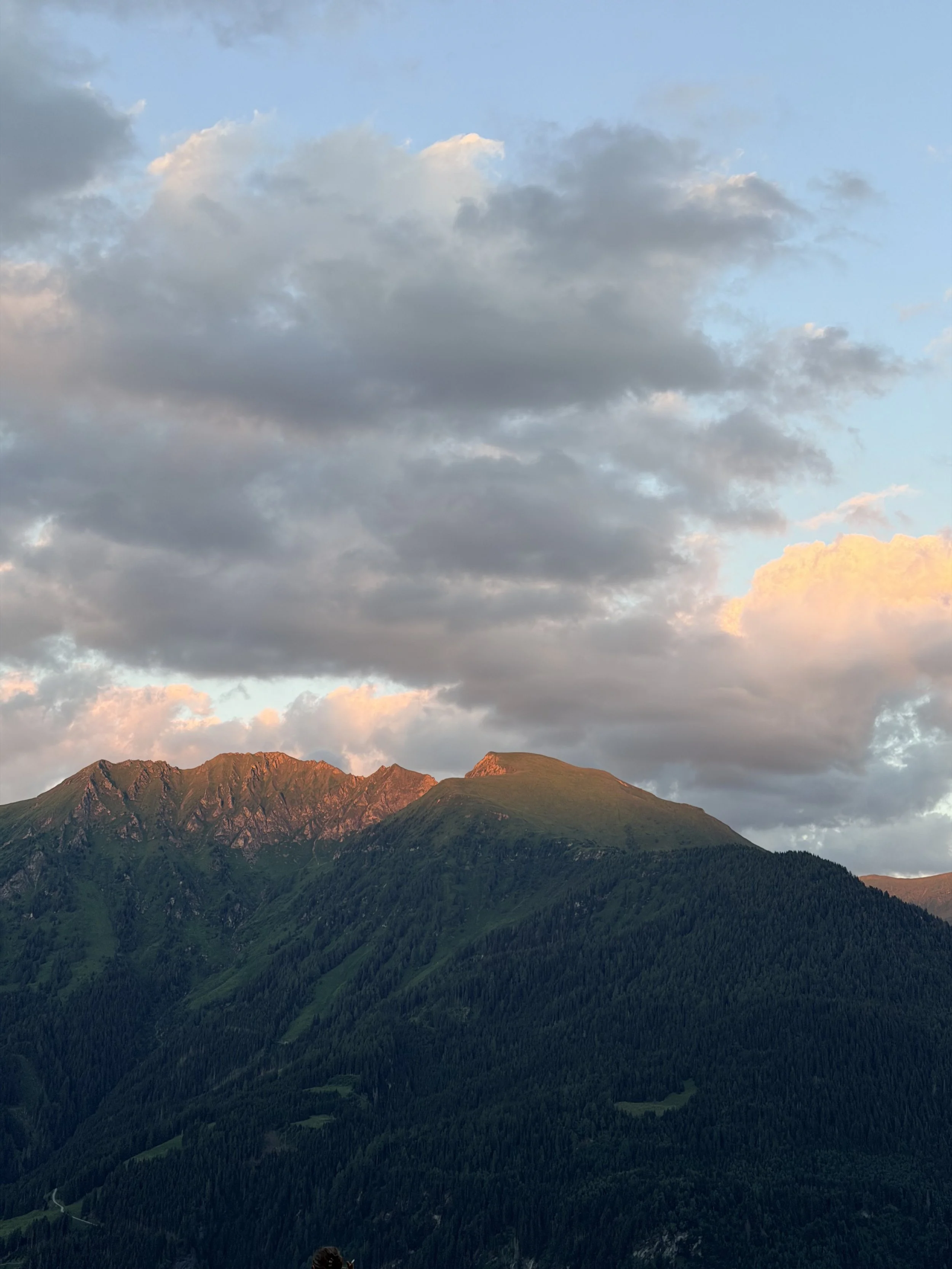
What does a hot summer have to do with skiing?
This summer has certainly given us plenty to talk about.
Across Austria, temperatures climbed to 41.2°C on 5 August 2026, setting a new national heat record. At the same time, the UK has experienced an exceptional summer of heat, with temperatures reaching 38.1°C in August and the country on course for its warmest summer on record. Prolonged periods of hot and dry weather have also brought drought concerns in parts of England and Wales.
For skiers, it raises an interesting question:
What does a hotter summer have to do with snow?
The answer is not quite as simple as saying that climate change means there will be no snow. The Alps will continue to have winter, and snowfall will continue. What is changing is the reliability and timing of the conditions that make a long, consistent natural snow season possible. For ski resorts, that means adapting to a changing climate while also looking carefully at how resources such as water and energy are used. And this is where technology, planning and sustainability all come together.
Preparing for a changing winter
Snow Space Salzburg is already investing heavily in the future of winter sports. Snowmaking has become an important part of modern ski resort operations, particularly as natural snowfall becomes more variable. But modern snowmaking is very different from simply putting more snow cannons on a mountain and producing as much snow as possible. Today, the focus is increasingly on efficiency, precision and responsible use of resources.
Snow Space Salzburg has been working with TechnoAlpin since 2012, and in the last three years alone more than 100 fan-based snow producers have been delivered to the ski area, alongside major upgrades to existing pumping stations. In 2025, Snow Space also became the home of TechnoAlpin's 1,000th snow producer installed in the resort. The snowmaking systems are operated using 100% green electricity, while digital piste management helps the resort use water and electricity as efficiently as possible.
The investment continues.
For the 2026/27 winter season, further improvements are being made around the Hirschkogel Speicherteich (Storage Reservoir), including new pumping infrastructure and cooling technology, increased water capacity for snowmaking, and additional snow guns and lances. The objective is not simply to make more snow. It is to create a more flexible and efficient system that can respond to weather conditions when and where it is needed.
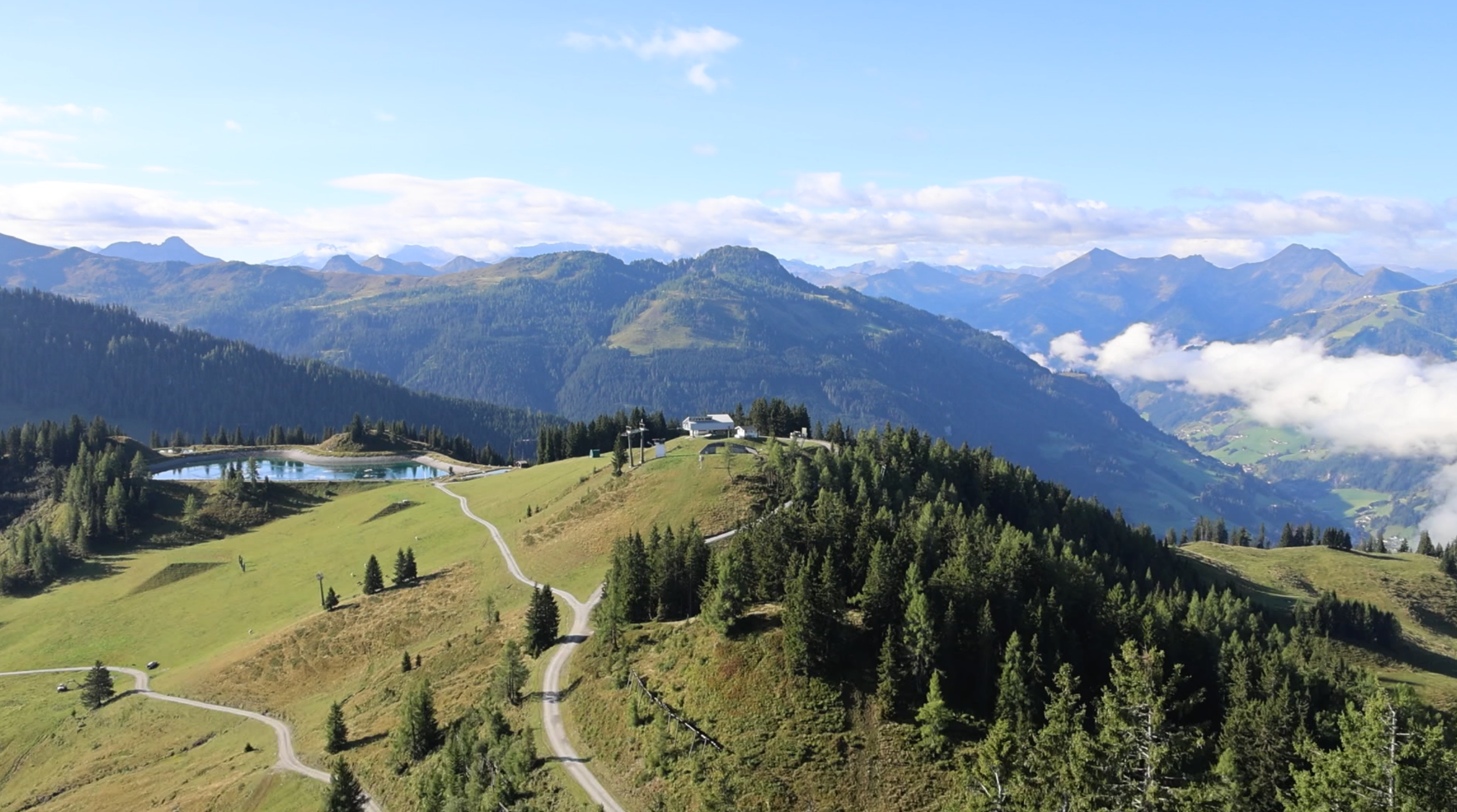
Hirschkogel Speicherteich
So, is snowmaking sustainable?
It is a fair question. Snowmaking requires water and energy, so it would be misleading to describe it as having no environmental impact. The more important question is how that water and energy are sourced and how efficiently the system uses them. Snow Space's approach places a strong emphasis on this. The majority of the water used for snowmaking comes from storage ponds, which collect natural rainfall and meltwater from the previous year. Snow Space states that approximately 1.2 million cubic metres of water are part of the mountain's overall water cycle, helping reduce the need to draw on household drinking-water supplies. The snowmaking process itself uses only water (drinking water quality) and air, while the resort continues to invest in more efficient infrastructure and digital piste management. This is an important distinction when discussing sustainability in skiing. Climate change means that ski resorts have to adapt. Sustainability means making sure that this adaptation is carried out as efficiently and responsibly as possible.
Those two things do not have to be opposites.
More than just snow
Snowmaking is only one part of Snow Space Salzburg's wider sustainability programme. The resort has set itself the goal of becoming climate-neutral in its ski operations and has already made significant reductions in its own emissions. Between the 2019/20 season and 2023/24, reported CO₂ emissions fell from around 4,149 tonnes to 1,638 tonnes — a reduction of more than 60%. Measures contributing to this include the use of HVO fuels for piste groomers and ski buses, renewable electricity for the lifts and snowmaking systems, and electric vehicles for staff transport. The resort is also looking at sustainability beyond the machinery itself, including public transport, mobility, waste separation, biodiversity and protecting the mountain environment. That wider approach is important because a ski resort is part of a much larger ecosystem.
What about us?
As a tour operator specialising within the Alps, we know that we are only one small part of that picture. But we also believe that everyone operating in the mountains has a responsibility to think about their impact. At North47, sustainability is something we try to consider throughout our day-to-day operations rather than treating it as a single initiative. We recycle as much as possible and work with local suppliers wherever practical. Supporting businesses in our own region helps keep value within the local community and can also reduce unnecessary transport. We also encourage our guests and resort staff to think about how they travel to the mountains. Travelling together can make a surprisingly big difference. A coach travelling with a full group of skiers can be a highly efficient way of getting a large number of people to the resort when compared to individual.
And then there is the journey beyond the journey. Through Trees4Travel, we also support carbon-offsetting projects involving tree planting and environmental initiatives. Offsetting is not a replacement for reducing emissions in the first place, but we see it as one additional part of taking responsibility for the impact of our operations and travel.
Small choices add up
Sustainability in the mountains is not just something for large ski areas to solve, there are choices all of us can make. Travelling by train or coach where practical, sharing transfers, avoiding unnecessary waste, reusing equipment and clothing, supporting local businesses and respecting the natural environment are all simple ways to reduce our impact. None of these things will solve climate change on their own. But sustainability rarely comes down to one big action. It is usually the result of many smaller decisions being made consistently.
Looking ahead
The recent heatwaves are a reminder that our climate is changing. For a region whose economy and culture are closely connected to winter and the mountains, that is something worth taking seriously.
But taking it seriously does not have to mean taking a pessimistic view of the future of skiing. Instead, it means adapting. It means investing in better technology, managing water and energy carefully, reducing emissions where possible, encouraging more sustainable travel and continuing to look after the mountain environment that makes winter sports possible in the first place. At Snow Space Salzburg, that means continued investment in snowmaking infrastructure, water storage and increasingly efficient technology. At North47, it means looking at the way we travel, operate, source products, manage waste and support environmental projects.
We cannot control the weather. We can, however, control how we respond to it.
The goal is not to pretend that the climate is not changing. It is to make responsible choices today so that the mountains remain places we can enjoy, and share, for many winters to come.